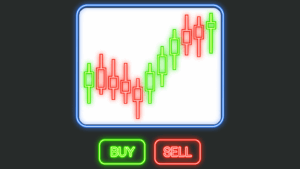
At first, I ignored patterns because they felt like superstition. But slowly, I realized patterns reflect collective human behavior.
Double tops and bottoms? They revealed when greed or fear had exhausted itself. Head and shoulders? A sign of potential trend reversal. Even simple flags and pennants gave me clues about the next possible move.
I combined patterns with support and resistance levels. A pattern forming near a strong support line often had a higher chance of success. Patterns alone weren’t enough—they became reliable when paired with context.
By treating patterns as tools, not predictions, I started using them to plan entries and exits. The chart became my personal classroom , teaching me about market psychology one pattern at a time.